
News
Latest Media Release
Cost of living dominates Kiwis’ concerns – but sustainability still shapes trust, choices and expectations of business
New research from Kantar and the Sustainable Business Council (SBC) highlights an opportunity for New Zealand businesses to drive greater commitment and action on social responsibility, both internally with employees and for the benefit of the communities they operate in.
Latest Pānui
Pānui news – 26 March
In this edition of Pānui, we share a recent report exploring how financial quantification can turn climate risk into value creation and details of EECA and Counties Energy new smart energy neighbourhood. We call on any members exploring low-emission fleet options and...
Latest Blog

London Insights: 10 Global Signals Shaping Sustainability
SBC’s Head of ESG shares ten takeaways from her time in London meeting with a range of sustainability focused global organisations.
Search all News
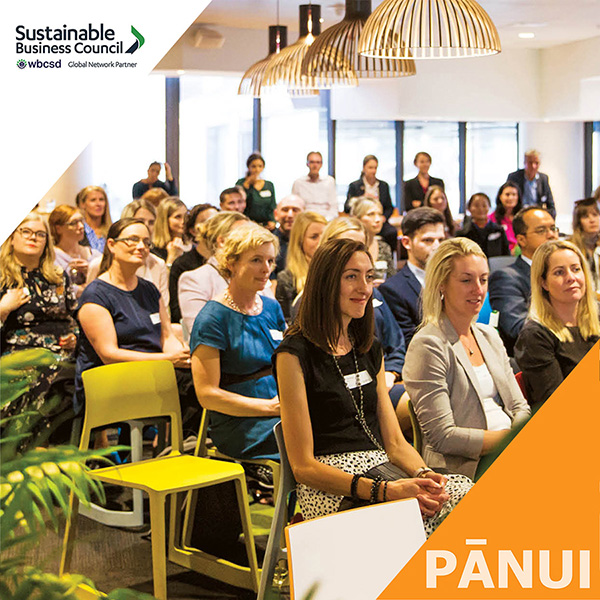
Pānui News – Dec 06
In this week’s Pānui, the spotlight is on emissions during COP24, and we have heard from members about what SBC might do differently next year.
What should SBC keep doing, stop or change?
Abbie Reynolds and Volker Kuntzsch talk about what they’ve heard from members in 2018 and what might change as a result.
Pānui News – Nov 29
In this week’s Pānui, Stuff launches a new series on climate change, Mercury helps kiwi eggs with solar power and we talk sustainable procurement in three cities.
Sustainable procurement good for business
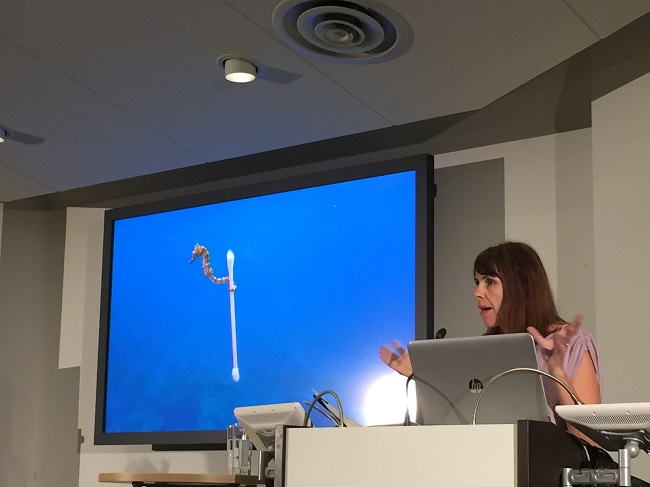
There has been a real buzz around SBC’s procurement workshops this week in Auckland, Christchurch and Wellington. Transparency in the supply chain is rated the third highest trend likely to impact members in the next 2-3 years.
Pānui News – Nov 22
In this week’s Pānui, Sanford and SKYCITY are recognised in the Deloitte Top 200, we hear how the SDGs are helping NZ companies, and Climate Leaders Coalition news.
What do the Sustainable Development Goals mean for business?
Rob Perry shares the latest developments and approaches for embedding the UN Sustainable Development Goals into business.
Pānui News – Nov 15
In this week’s Pānui, students drive sustainability for Victoria University of Wellington, science-based targets come to the capital, and ecostore turns 25.
Guest blog: Students at the heart of sustainable partnerships
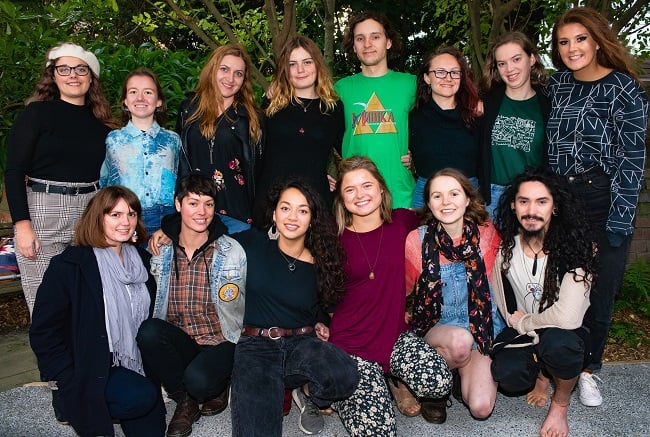
Andrew Wilks, Director, Sustainability, VUW reports back from the Australasian Campuses Towards Sustainability conference on how tertiary education institutions are contributing to a sustainable future.
Science-Based Targets – extending our outreach…
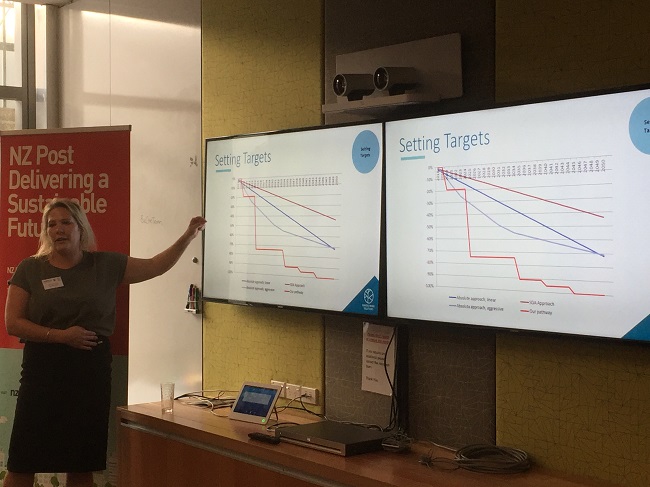
When SBC partnered with WWF NZ and Enviro-Mark earlier this year, we wanted to help businesses to set meaningful emission reduction targets by building their understanding and capability.
Collaborating for shared value
Speech by Abbie Reynolds to the MPI Biosecurity Forum, on what collaborating for shared value really means.
Pānui News – Nov 08
In this week’s Pānui, SKYCITY diverted 142 buses of food waste from landfill, thinkstep talk low-carbon transport, and Vector, Toyota NZ & Waste Management look at what next for old batteries.
Guest blog: My SKYCITY Kitchen Rules
Diverting food waste from landfills can help companies reduce their greenhouse gas emissions. Courtney Simpson, Group Manager Environment, tells us how SKYCITY Auckland diverted the equivalent of 142 buses of food from landfill, reducing their emissions by 15% in one year.