

By Jay Crangle, Director – Programmes
For many businesses, their recent sustainability efforts have focused primarily on one thing: climate. And understandably too. It’s measurable. It can be linked to financial risk. There is regulatory pressure to do something about it. The people with the dollarbucks care about it. And the planet is turning into a heatwave riddled, flood prone icecap melting dumpster fire the longer we take to do anything about it.
Climate is not like people. We are difficult to quantify. Messier than a three-party coalition government. It’s harder to link us to the bottom line. Many of our challenges – inequality, modern slavery – cannot be solved by a single business.
But people are also a commercial opportunity hiding in plain sight.
So says the Taskforce on Inequality and Social-related Financial Disclosures (TISFD), who’s depth of thinking about how people matter to business is almost as long as its name.
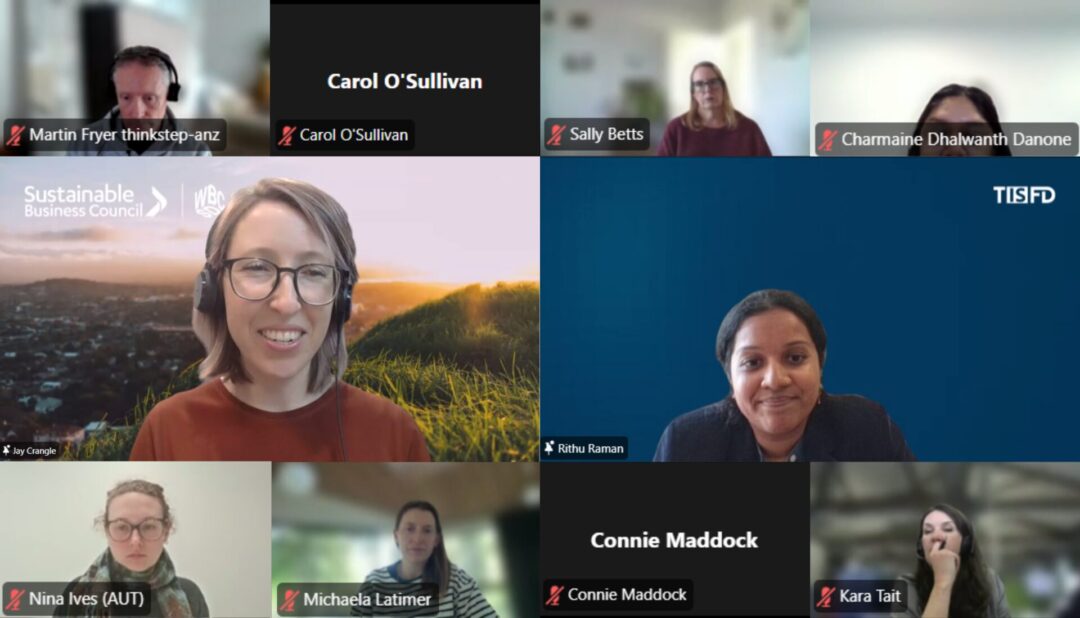
SBC recently hosted Rithu Raman, TISFD’s Head of Engagement for a webinar for members. Along with admitting she didn’t get watch the World Cup Final (despite living in New Jersey) she highlighted a global shift in businesses prioritising social issues.
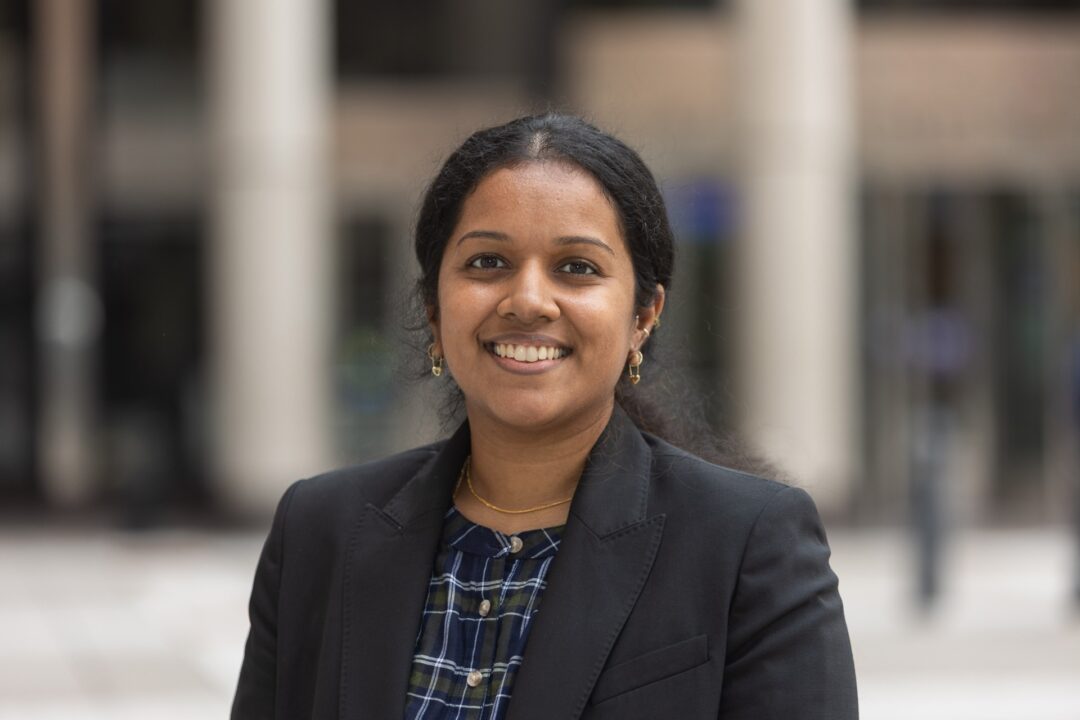
As with climate and nature, businesses are increasingly recognising that social issues can have a significant impact on long-term resilience and performance.
“But Jay!” I hear you cry. “Not another reporting framework!”
Fear not. The framework is intended to complement and integrate with existing frameworks.
And to me, the most interesting part of TISFD is the lens it provides for understanding business value. It’s a tool for working out where your business depends on people and where this influences commercial outcomes.
This includes workforce capability, employee wellbeing, customer trust, community support and social licence to operate. All of these issues frequently determine whether businesses succeed or fail.
This insight strongly aligns with findings from SBC’s Driving Sustainable Growth report and our emerging workforce readiness work. Yes, a successful transition to a low-carbon economy depends on the holy trinity of tech, capital, and policy. But it also depends on people having the skills, trust and support needed to adapt.
The same message emerged through SBC’s Social Impact Lab, where members trialled the TISFD approach to identify their social risks and opportunities. The discussion consistently returned to a simple question: how do we make better decisions by understanding our link between people and business performance?
The businesses that create long-term value will be those that understand not only their carbon footprint, but also their people footprint. Because businesses don’t transition – people do. And for Executives seeking the next source of competitive advantage, people might be one of the greatest opportunities of all.